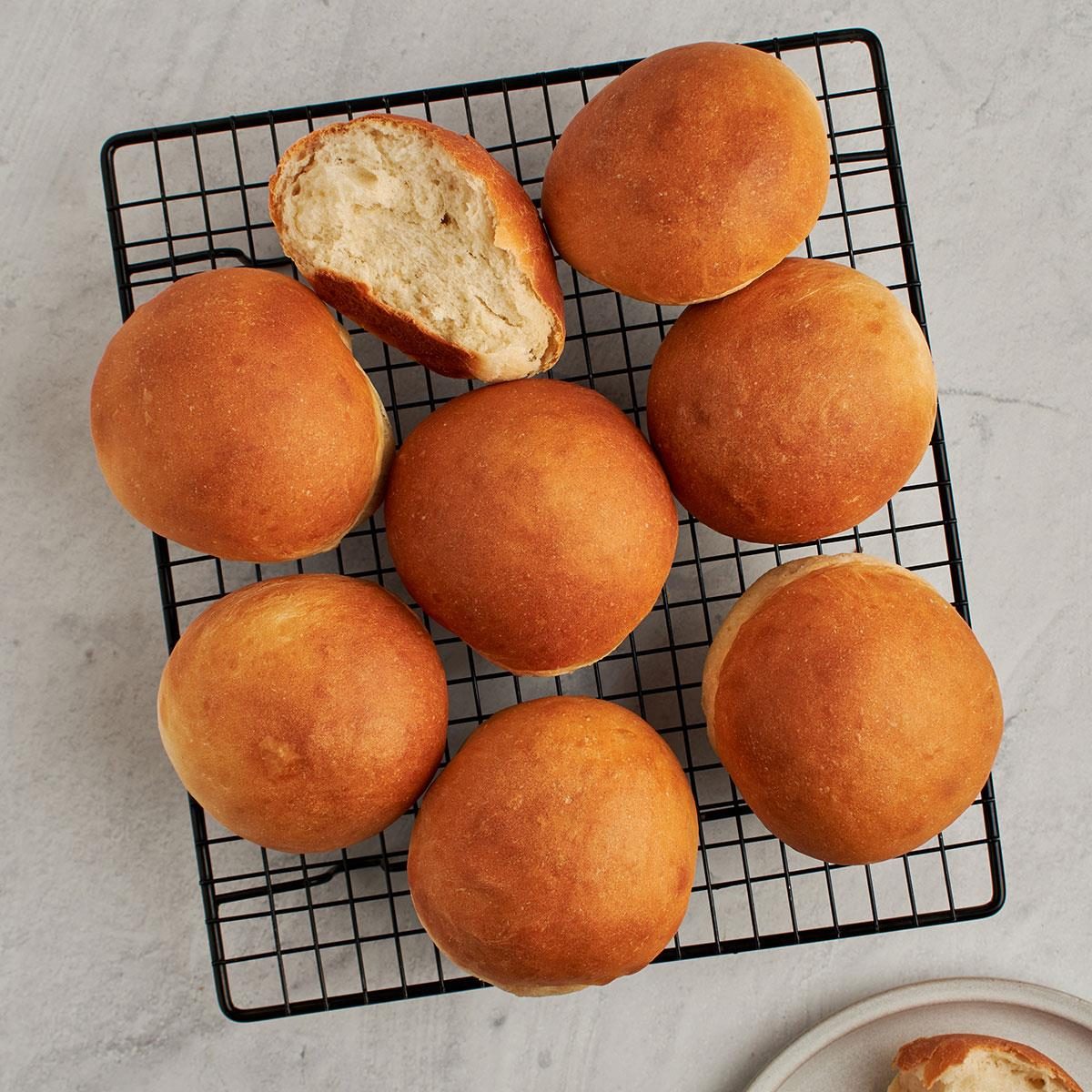
Unlock Pillow-Soft Dinner Rolls: Your 7-Ingredient Rich Dough Guide to Baking Bliss
Imagine warm, fluffy, melt-in-your-mouth dinner rolls gracing your table – not after an entire afternoon of waiting, but surprisingly quickly. For many, the idea of homemade bread, especially soft, tender dinner rolls, conjures images of complex recipes and endless hours of proofing. But what if we told you that baking these culinary delights, comparable in texture and flavor to those painstakingly made over many hours, could be achieved with just 7 simple ingredients and a clever approach? This is your definitive guide to a homemade quick dinner rolls recipe that will transform your baking confidence and elevate any meal.
Whether you're a seasoned baker looking for a faster method or a complete beginner nervous about working with yeast, this recipe is designed to deliver success. We're talking about rolls so soft they practically float, with a buttery richness that will have everyone reaching for seconds. Forget the compromise often associated with "quick-rise" breads; our method ensures delicious flavor and an irresistibly tender texture, making this the only easy homemade dinner rolls recipe you'll ever need.
The Secret to Speed and Softness: Embracing a Rich Dough
The magic behind these ethereal dinner rolls lies in what bakers call a "rich dough." Unlike lean doughs, which are typically made with just flour, water, salt, and yeast (think crusty baguettes), a rich dough incorporates fats like milk, butter, and eggs. These additional ingredients aren't just for flavor; they play a crucial role in creating the characteristic pillow-soft texture that makes these rolls so addictive.
- Fat for Tenderness: The fats in milk, butter, and egg interfere with gluten development, resulting in a more tender, less chewy crumb. This is why rich doughs are the foundation for beloved treats like brioche and cinnamon rolls.
- Enhanced Flavor: Beyond texture, these ingredients imbue the rolls with a depth of flavor that a lean dough simply can't achieve. The buttery notes and milky sweetness create a truly satisfying taste experience.
- A Strategic Boost of Yeast: To achieve that desirable "quick" aspect without sacrificing quality, this recipe strategically uses a slightly higher amount of yeast than traditional slower-rise recipes. This allows the dough to proof more rapidly, significantly cutting down on overall preparation time. While some ultra-fast rolls might develop a bland flavor or a slightly "styrofoam-like" texture, our approach, combined with the richness of the dough, mitigates these common pitfalls, ensuring your rolls are every bit as delightful as their slow-rise counterparts. You'll be amazed at how quickly you can have warm, fresh homemade quick dinner rolls on the table!
Decoding Your 7 Essential Ingredients for Perfect Rolls
Every ingredient in this quick dinner rolls recipe plays a vital part in achieving perfection. Understanding their roles will not only make you a more confident baker but also help you troubleshoot or adapt in the future.
- Whole Milk: The primary liquid that activates the yeast. Whole milk is highly recommended for its fat content, which contributes significantly to the rolls' ultimate tenderness and rich flavor. While low-fat or non-dairy milks can work, they may result in a slightly less tender crumb and subtle flavor differences.
- Yeast (Active Dry or Instant): The powerhouse that makes your dough rise! You can use either active dry or instant yeast. Instant yeast often allows for slightly shorter rise times as it doesn't always require proofing in warm liquid first. If using active dry, be prepared for rise times that might be a touch longer.
- Granulated Sugar: More than just a sweetener, sugar is food for the yeast, boosting its activity and helping the dough rise. It also tenderizes the dough, contributes to a beautiful golden-brown crust, and balances the savory notes.
- Large Egg: One egg adds structure, richness, and a lovely yellow hue to the crumb. It also helps bind the dough together and contributes to the overall tender texture.
- Unsalted Butter: A cornerstone of flavor and softness in this rich dough. Room temperature butter is crucial for easy incorporation into the dough, ensuring an even distribution of its rich taste and moisture. This is key for those truly flaky, soft results.
- Fine Sea Salt: Absolutely essential for balancing the flavors and enhancing the taste of the bread. Salt also plays a role in controlling yeast activity, preventing the dough from over-rising too quickly. Don't skip it!
- All-Purpose or Bread Flour: The structural backbone of your rolls. All-purpose flour is convenient and produces wonderfully soft rolls. If you prefer a slightly chewier texture (without sacrificing softness), bread flour can be used without any other recipe adjustments.
Mastering the Dough: From Mixing Bowl to Perfect Spheres
One of the most encouraging aspects of this quick dinner rolls recipe is how manageable the process is, even for those new to baking bread. You'll be amazed at how quickly the dough comes together.
Mixing and Kneading for Optimal Texture
The journey to perfect rolls begins with combining your 7 ingredients. A stand mixer fitted with a paddle attachment or a dough hook makes this step incredibly easy, saving you significant arm muscle. Simply combine your wet ingredients, then gradually add the dry ones until a cohesive dough forms. If you don't have a mixer, fear not! You can absolutely make this dough by hand, though it will require a bit more effort and time spent kneading on a lightly floured surface.
Kneading is a critical step; it develops the gluten in the flour, which gives the rolls their structure and elasticity. Whether by mixer or hand, continue kneading until the dough is smooth, elastic, and no longer sticky. It should pass the "windowpane test" – where you can gently stretch a small piece of dough thin enough to see light through it without tearing.
The Rise to Occasion: Proofing and Shaping
Once kneaded, your dough is ready for its first rise. Place it in a lightly oiled bowl, cover it, and let it rest in a warm place until it has roughly doubled in size. Thanks to our strategically increased yeast, this rise will be notably quicker than traditional recipes, getting you to fresh rolls in no time.
After the first rise, gently "punch down" the dough to release the air. This step helps create a finer, more even crumb. Turn the dough out onto a lightly floured surface and divide it into equal portions. The beauty of homemade rolls is their rustic charm, so don't fret if they aren't all perfectly uniform. Shape each portion into a smooth ball by gently pulling the edges under or rolling it between your palm and the countertop. Arrange these shaped balls in a greased baking pan, leaving a little space between each for them to expand.
Finally, cover the pan again and allow the shaped rolls to undergo a second, shorter rise. This final proof is essential for developing that incredible airy, soft texture. Once they look puffy and have nearly doubled again, they're ready for the oven!
Tips for Baking Success & Making Ahead
To ensure your quick dinner rolls recipe yields outstanding results every time, keep these practical tips in mind:
- Temperature is Key: Ensure your milk is warm (not hot!) to activate the yeast effectively, and your butter and egg are at room temperature. Cold ingredients can inhibit yeast activity and make the dough harder to work with.
- Measure Flour Accurately: Too much flour is a common culprit for dry, dense rolls. Use a kitchen scale for precision, or lightly spoon flour into your measuring cup and level it off without compacting.
- Trust Your Eyes: Rise times are estimates. Always go by how the dough looks (doubled in size, puffy) rather than strictly adhering to a timer. Environmental factors like room temperature can affect proofing speed.
- Don't Overbake: Overbaking can dry out your rolls. Look for a beautiful golden-brown top. If they're browning too quickly, you can loosely tent them with foil.
- Brush with Butter: For an extra touch of richness and a beautiful sheen, brush the warm rolls with melted butter immediately after they come out of the oven.
- Make-Ahead Magic: For ultimate convenience, you can prepare the dough up to the end of the first rise, then punch it down, shape, and refrigerate the unbaked rolls overnight. The next day, simply pull them from the fridge, let them come to room temperature and complete their second rise (which might take longer due to the cold), then bake as usual.
Say goodbye to store-bought imposters and hello to the unparalleled joy of warm, homemade bread. This 7-ingredient rich dough guide for a quick dinner rolls recipe not only simplifies the baking process but guarantees a delicious, pillow-soft result that will make you feel like a bread-baking pro. Perfect for holiday meals, weeknight dinners, or simply as a comforting snack, these rolls are destined to become a staple in your kitchen. So, grab your apron, gather your ingredients, and prepare to unlock the secret to truly unforgettable dinner rolls!
